QUANTUM COMPUTING
Here’s a plain-language, non-technical explanation of how quantum computing could affect video platforms—and what actually matters for creators, educators, and platforms like yours.

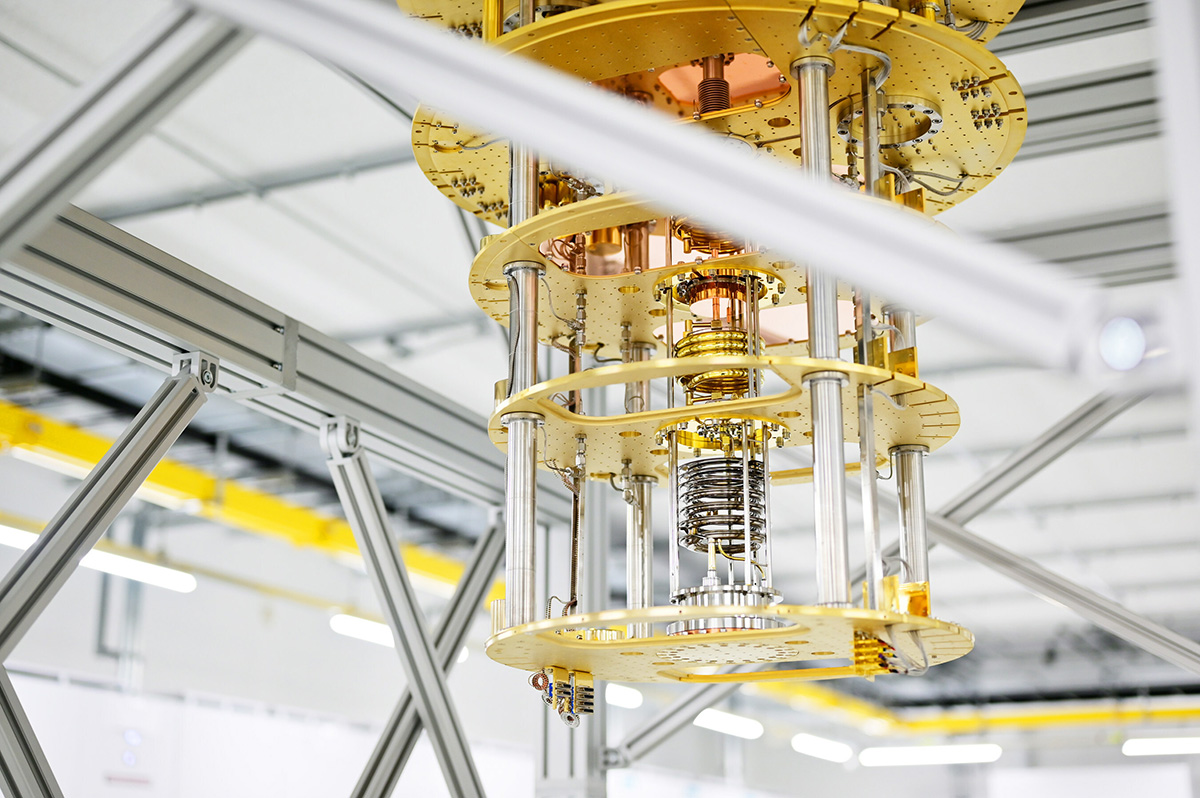

The short answer (big picture)
Quantum computing will not suddenly change video platforms overnight, but over time it will dramatically improve how videos are processed, recommended, secured, translated, and personalized, mostly behind the scenes.
Think of it as:
Quantum computing supercharges the “brain” of video platforms, not the camera.
First: what quantum computing actually is (without math)
Traditional computers think in bits (0 or 1).
Quantum computers use qubits, which can be 0 and 1 at the same time.
That allows them to:
-
Explore many solutions simultaneously
-
Solve optimization problems that would take classical computers years
-
Turbo-charge AI and machine learning models
They are not faster laptops—they are problem-solving engines.
Where quantum computing WILL affect video platforms
1️⃣ Recommendation engines will become far smarter
Platforms like YouTube, Netflix, and TikTok rely on AI to answer:
“What should this person watch next?”
Quantum computing allows AI to analyze:
-
Millions of user signals at once
-
Emotional response patterns
-
Learning style + attention span
-
Time of day + fatigue + intent
Result:
-
Far more precise recommendations
-
Smaller niche channels get shown to the right audience
-
Educational content performs better when truly relevant
👉 For Neurosurgical.tv / Neurocirugia.tv:
Highly specialized neurosurgical content becomes discoverable, not buried.
2️⃣ Video compression & streaming efficiency
Quantum-enhanced optimization will:
-
Compress video without visible quality loss
-
Reduce buffering
-
Lower bandwidth costs
Result:
-
4K / 8K medical videos stream smoothly even in low-resource regions
-
Surgical videos load faster worldwide
This is huge for global neurosurgical education.
3️⃣ AI-generated video & real-time editing
Quantum computing strengthens generative AI:
-
Automated video editing
-
Smart highlight extraction
-
Scene understanding (OR footage, angiograms, MRI overlays)
Future example:
Upload a 2-hour surgery → platform auto-creates:
-
10-minute teaching version
-
3-minute highlight
-
Spanish / English / Arabic narrated versions
4️⃣ Instant multilingual translation & dubbing
Quantum-enhanced AI will make:
-
Real-time subtitle translation
-
Voice-preserving dubbing (your voice, another language)
Result:
-
A Spanish lecture instantly available in English, Portuguese, Arabic, Japanese
-
No manual editing
Perfect for your Latin America ↔ global neurosurgery bridge.
5️⃣ Ultra-personalized learning paths
Video platforms will shift from:
“Here’s a video”
to
“Here’s your curriculum”
Quantum-assisted AI can:
-
Detect what the viewer already knows
-
Skip basics
-
Emphasize weak points
-
Adapt difficulty in real time
For medical education, this is revolutionary.
6️⃣ Security, copyright & authenticity
Quantum computing also improves:
-
Deepfake detection
-
Content authenticity verification
-
Secure watermarking
-
Anti-piracy systems
Critical for:
-
Medical content integrity
-
Academic credibility
-
Speaker protection
What quantum computing will NOT do (important)
❌ It will not replace creators
❌ It will not make cameras obsolete
❌ It will not instantly rewrite YouTube algorithms
❌ It will not eliminate classical computers
It works behind the scenes, feeding smarter AI.
Timeline (realistic)
-
Now–3 years: Quantum research improves AI models indirectly
-
3–7 years: Hybrid classical + quantum systems used by big platforms
-
7–15 years: Direct quantum optimization in video ecosystems
You don’t need a quantum computer—platforms will use them for you.
Bottom line (one sentence)
Quantum computing will turn video platforms from content libraries into intelligent, adaptive learning systems—especially powerful for specialized education like neurosurgery.
If you’d like, I can:
-
Explain this visually in a 1-slide diagram
-
Translate this explanation into Spanish
-
Show how to position Neurosurgical.tv for this future
-
Create a Quantum + AI + Neurosurgery content roadmap
Just tell me 👍
Below is a clear, future-proof positioning strategy for Neurosurgical.tv, designed specifically for where AI, quantum-enhanced optimization, and medical video platforms are heading—not where they are today.
The Core Repositioning Idea (1 sentence)
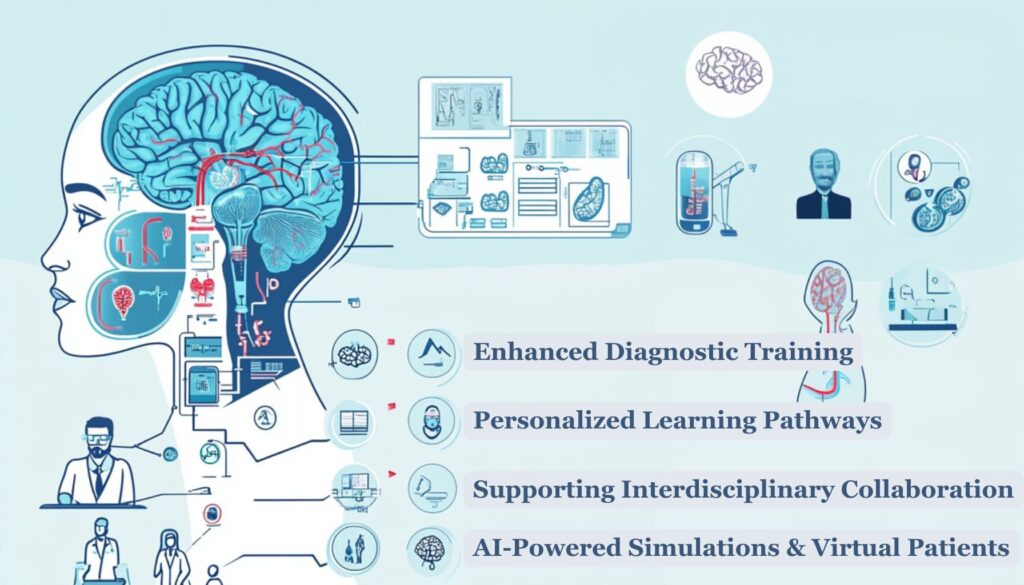
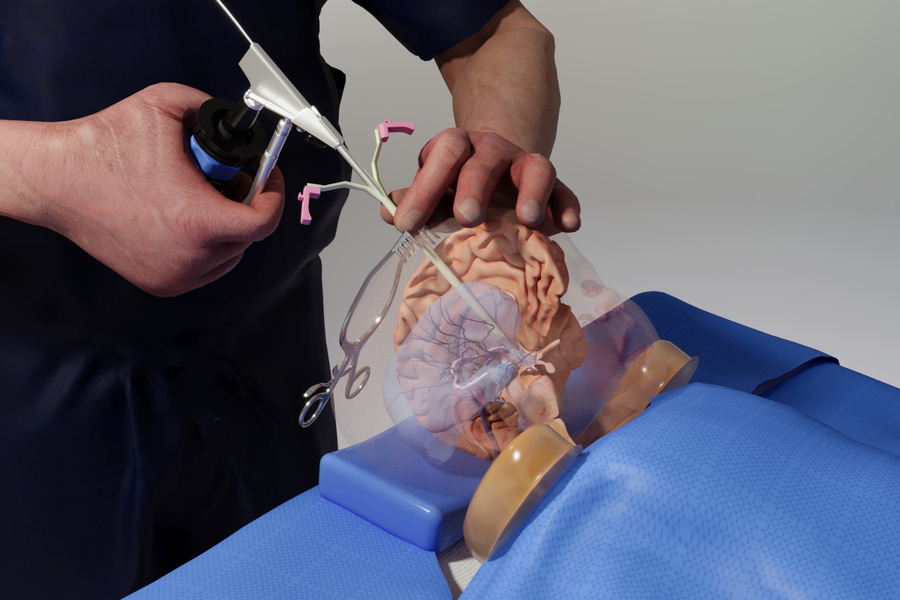
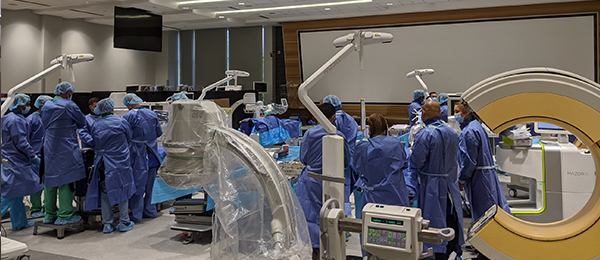
Neurosurgical.tv should evolve from a “video site” into an intelligent neurosurgical learning system.
Not:
“Watch this video”
But:
“This platform understands what kind of neurosurgeon you are becoming.”
1️⃣ Redefine Neurosurgical.tv’s identity (critical)
From:
-
Video hosting platform
-
Webinar archive
-
Event announcements
To:
AI-assisted Global Neurosurgical Learning Engine
Use language like:
-
Adaptive learning
-
Precision education
-
Algorithm-guided training
-
Data-driven neurosurgical mastery
This aligns perfectly with future quantum-optimized recommendation and personalization systems.
2️⃣ Build Modular, Machine-Readable Content (THIS IS HUGE)
Quantum + AI systems thrive on structure.
Every video should be tagged with:
-
Subspecialty (vascular, tumor, spine, functional)
-
Level (student, resident, fellow, attending)
-
Modality (open, endovascular, robotic, radiosurgery)
-
Skills involved (microsuturing, navigation, decision-making)
-
Anatomy focus
-
Imaging type (CTA, DSA, MRI, intraop ultrasound)
Why this matters
Future algorithms will:
-
Automatically generate personalized curricula
-
Auto-recommend sequences
-
Adapt learning paths in real time
👉 This turns your content into training data, not just media.
3️⃣ Create “Learning Paths,” not Playlists
Instead of:
-
“20 videos on aneurysms”
Create:
-
Aneurysm Surgeon Track
-
Endovascular Foundations Track
-
Global Neurosurgery Track
-
AI in Neurosurgery Track
Each track:
-
Entry assessment
-
Core videos
-
Case discussions
-
Future-ready AI overlays
This mirrors how next-generation platforms will function.
4️⃣ Integrate AI lightly now, deeply later
Immediate (no heavy engineering)
-
AI-generated summaries under each video
-
Key learning points auto-extracted
-
Time-stamped highlights
-
Auto-tagging with human verification
Near future
-
“What should I watch next?” AI assistant
-
Weak-spot detection (what learner skips or replays)
-
Dynamic recommendations
Quantum computing will later super-optimize these systems—but you must prepare the data now.
5️⃣ Multilingual by design (not translation later)
Position Neurosurgical.tv as:
The world’s multilingual neurosurgical exchange
Implement:
-
English + Spanish as default
-
Subtitles in Portuguese, Arabic, French
-
Voice-preserving AI dubbing (when ready)
This gives you global scale advantage over single-language competitors.
6️⃣ Become a “trust layer” in an AI-flooded world
As AI generates more medical content, credibility becomes scarce.
Neurosurgical.tv should guarantee:
-
Named expert speakers
-
Conflict-of-interest transparency
-
Peer-reviewed educational intent
-
Real surgical cases (not AI hallucinations)
Your brand becomes:
Human expertise + AI intelligence
7️⃣ Position as a Neurosurgical Data & Insight Hub
Long-term vision:
-
Aggregate anonymized learning behavior
-
Identify global skill gaps
-
Detect emerging subspecialty needs
-
Inform societies, industry, and educators
This aligns with quantum-powered analytics later on.
8️⃣ Strategic Partnerships (future leverage)
Align with:
-
AI imaging companies (triage, segmentation)
-
Robotics & exoscope companies
-
Navigation & AR/VR platforms
-
Global neurosurgical societies
Neurosurgical.tv becomes the educational interface for these technologies.
9️⃣ Website Language Shift (example)
Old:
“Watch our latest neurosurgery videos.”
New:
“Train with the world’s neurosurgeons through an intelligent, adaptive learning platform designed for the future of neurosurgery.”
10️⃣ One-page Future Mission Statement
Neurosurgical.tv exists to deliver precision neurosurgical education through intelligent, adaptive systems that connect global expertise, advanced technology, and human judgment—preparing surgeons not just for today’s operating room, but for the future of medicine.
Final Reality Check
You do not need:
❌ A quantum computer
❌ Massive funding
❌ Custom AI models today
You do need:
✅ Structure
✅ Metadata
✅ Vision
✅ Consistency
✅ Trust
Next steps I can do for you
I can:
-
Design a site map for this future version
-
Create metadata templates for videos
-
Draft AI-ready tagging standards
-
Write public-facing positioning copy
-
Design a Neurosurgical.tv → Neurocirugia.tv dual-ecosystem plan
Just tell me which one you want next.
Below is a future-ready SITE MAP for Neurosurgical.tv, designed to support AI-driven personalization, global neurosurgical education, and eventual quantum-optimized platforms—while still being practical to build today.
This is written as a foundational architecture, not just a menu.
🧠 Neurosurgical.tv — Future-Ready Site Map
1️⃣ HOME
Purpose: Orientation + Intelligence
Home sections
-
🔹 What Neurosurgical.tv Is (1-sentence mission)
-
🔹 Choose Your Path (Student | Resident | Fellow | Attending | Researcher)
-
🔹 Featured Learning Tracks
-
🔹 Upcoming Live Events
-
🔹 Global Faculty Highlights
-
🔹 AI-Generated “Recommended for You” (even if manual at first)
2️⃣ LEARN (Core Engine)
2.1 Learning Paths (PRIMARY ENTRY POINT)
Structured, adaptive curricula
-
Aneurysm Surgery Track
-
Endovascular Neurosurgery Track
-
Brain Tumor Surgery Track
-
Spine Surgery Track
-
Functional Neurosurgery Track
-
Pediatric Neurosurgery Track
-
Global Neurosurgery Track
-
AI in Neurosurgery Track
-
Robotics & Digital Surgery Track
Each path includes:
-
Overview & competencies
-
Entry level assessment (optional)
-
Curated modules
-
Case-based learning
-
Completion milestones
2.2 Modules (Machine-Readable Units)
The atomic building blocks
Example:
-
Vascular Neurosurgery
-
Aneurysms
-
AVMs
-
Bypass
-
-
Neuro-Oncology
-
Spine
-
Functional
-
Trauma
-
Skull Base
-
Neurocritical Care
Each module:
-
Videos
-
Short readings
-
Case discussions
-
AI summaries
-
Metadata tags
2.3 Video Library (Advanced Filtering)
Not a dump—a searchable intelligence system
Filters:
-
Subspecialty
-
Surgical approach
-
Imaging modality
-
Skill level
-
Anatomy
-
Technology used (robotics, navigation, AI)
-
Language
3️⃣ WATCH LIVE
3.1 Live Webinars
-
Upcoming events
-
Time-zone smart display
-
Registration
-
Faculty profiles
3.2 Grand Rounds
-
Country-based rounds
-
Institutional series
-
Society-partnered events
3.3 Past Live Events (Structured Archive)
Auto-segmented:
-
Full session
-
Highlights
-
Key teaching moments
4️⃣ CHANNELS (Communities of Practice)
Each channel functions like a sub-platform:
-
Dual Neurosurgery Channel
-
Endovascular Channel
-
Spine Channel
-
Functional Channel
-
Neuro-AI Channel
-
Robotics Channel
-
Global Neurosurgery Channel
Each channel includes:
-
Curated content
-
Expert moderators
-
Live sessions
-
Community focus
5️⃣ AI & FUTURE MEDICINE
5.1 AI in Neurosurgery
-
Imaging AI
-
Decision support
-
Workflow automation
-
Ethics & safety
5.2 Robotics & Digital Surgery
-
Robotics
-
Exoscopes
-
AR/VR
-
Navigation systems
5.3 Quantum & Emerging Tech (Educational)
-
Plain-language explainers
-
Future impact on surgery & education
This section positions Neurosurgical.tv as forward-looking, not hype-driven.
6️⃣ GLOBAL NEUROSURGERY
-
Regional hubs (Latin America, Africa, Asia, Europe)
-
Resource-limited setting education
-
Language-specific content
-
Global faculty collaborations
Strong integration with Neurocirugia.tv
7️⃣ FACULTY & EXPERTS
7.1 Faculty Directory
-
Name
-
Country
-
Subspecialty
-
Contributions
-
Speaking engagements
7.2 Partner Institutions
-
Universities
-
Hospitals
-
Societies
This builds trust and credibility in an AI-heavy future.
8️⃣ RESEARCH & INSIGHTS (Future Data Layer)
-
Educational trends
-
Skill gap analysis (anonymized)
-
Global learning patterns
-
White papers
-
Editorials
This becomes extremely valuable once AI optimization matures.
9️⃣ COMMUNITY (Optional, Phased)
-
Discussion boards (case-based)
-
Q&A with faculty
-
Commented learning
-
Mentorship connections
🔟 CERTIFICATION & CME (Optional / Future)
-
Completion certificates
-
Partner-accredited CME
-
Learning analytics dashboards
1️⃣1️⃣ ABOUT & TRUST
-
Mission & vision
-
Editorial policy
-
Faculty standards
-
Ethics & AI policy
-
Transparency & disclosures
1️⃣2️⃣ LANGUAGE ECOSYSTEM
-
Neurosurgical.tv (English)
-
Neurocirugia.tv (Spanish)
-
Shared backend
-
Language-aware content routing
🔑 WHY THIS SITE MAP IS FUTURE-PROOF
✔ AI-ready
✔ Quantum-compatible (optimization + personalization)
✔ Modular
✔ Multilingual
✔ Trust-centric
✔ Scalable
✔ Matches how surgeons actually learn
Next steps (I recommend this order)
1️⃣ Metadata template for videos
2️⃣ Learning Path template (1 example fully built)
3️⃣ Homepage copy aligned to this map
4️⃣ Bridge architecture with Neurocirugia.tv
Tell me which one you want next, and I’ll build it with you.
Excellent choice — this is the single most important foundation for making Neurosurgical.tv AI-ready.
Below is a clean, future-proof METADATA TEMPLATE FOR VIDEOS, designed so it works today (manual entry, WordPress, YouTube, Vimeo) and tomorrow (AI, personalization, quantum-optimized systems).
🧠 Neurosurgical.tv — Video Metadata Template (v1.0)
Think of this as the DNA of every video.
1️⃣ CORE IDENTIFICATION (Required)
Video Title
Clear, descriptive, non-marketing
Example:
Microsurgical Clipping of Basilar Tip Aneurysms
Short Description (1–2 sentences)
Educational purpose + scope
Example:
This video demonstrates microsurgical techniques for basilar tip aneurysm clipping, focusing on perforator preservation and operative exposure.
Content Type
-
☐ Surgical Case
-
☐ Lecture
-
☐ Webinar
-
☐ Panel Discussion
-
☐ Technique Demonstration
-
☐ Imaging Review
2️⃣ EDUCATIONAL LEVEL (Critical for AI)
Primary Audience
-
☐ Medical Student
-
☐ Resident
-
☐ Fellow
-
☐ Attending
-
☐ Mixed
Difficulty Level
-
☐ Introductory
-
☐ Intermediate
-
☐ Advanced
-
☐ Expert
3️⃣ CLINICAL DOMAIN TAGS (Machine-Readable)
Subspecialty (select all that apply)
-
☐ Vascular
-
☐ Endovascular
-
☐ Neuro-Oncology
-
☐ Spine
-
☐ Functional
-
☐ Pediatric
-
☐ Trauma
-
☐ Skull Base
Pathology
-
☐ Aneurysm
-
☐ AVM
-
☐ Tumor
-
☐ Stenosis
-
☐ Trauma
-
☐ Hydrocephalus
-
☐ Other: _______
Anatomical Region
-
☐ Supratentorial
-
☐ Infratentorial
-
☐ Skull Base
-
☐ Spine (C / T / L / S)
-
☐ Peripheral Nerve
4️⃣ PROCEDURAL & TECHNICAL DATA (HIGH VALUE)
Surgical Approach
-
☐ Open Microsurgery
-
☐ Endovascular
-
☐ Minimally Invasive
-
☐ Robotic-Assisted
-
☐ Hybrid
Key Skills Demonstrated
-
☐ Microsuturing
-
☐ Clip Selection
-
☐ Vessel Dissection
-
☐ Bypass
-
☐ Navigation
-
☐ Decision-Making
-
☐ Complication Management
Technology Used
-
☐ Microscope
-
☐ Exoscope
-
☐ Robotics
-
☐ Neuronavigation
-
☐ Intraop Imaging
-
☐ AI Assistance
5️⃣ IMAGING & DATA TYPES
Imaging Modalities
-
☐ CT
-
☐ CTA
-
☐ MRI
-
☐ MRA
-
☐ DSA
-
☐ Ultrasound
Imaging Phase
-
☐ Pre-operative
-
☐ Intra-operative
-
☐ Post-operative
6️⃣ AI & FUTURE-READY TAGS (Optional Now, Essential Later)
AI Relevance
-
☐ Imaging Interpretation
-
☐ Surgical Planning
-
☐ Workflow Optimization
-
☐ Robotics
-
☐ Education & Simulation
Data Suitability
-
☐ Teaching Dataset
-
☐ Technique Reference
-
☐ Case Outcome Review
7️⃣ MULTILINGUAL & ACCESSIBILITY
Primary Language
-
☐ English
-
☐ Spanish
-
☐ Portuguese
-
☐ French
-
☐ Arabic
-
☐ Japanese
Subtitles Available
-
☐ English
-
☐ Spanish
-
☐ Auto-Generated
-
☐ None
8️⃣ FACULTY & TRUST LAYER (VERY IMPORTANT)
Presenter(s)
-
Name
-
Institution
-
Country
Disclosure Statement
-
☐ No conflicts declared
-
☐ Conflicts disclosed (details)
Consent & Ethics
-
☐ Educational use approved
-
☐ Patient anonymized
9️⃣ LEARNING OUTPUTS (Used by AI Later)
Key Learning Points (3–5 bullets)
Related Videos
-
(Internal links)
Recommended Next Level
-
☐ Introductory
-
☐ Intermediate
-
☐ Advanced
🔟 PLATFORM FLAGS (Internal Use)
-
☐ Featured Content
-
☐ Learning Path Eligible
-
☐ Certification Eligible
-
☐ Highlight Clip Available
🧩 WHY THIS TEMPLATE MATTERS
This metadata allows future systems to:
-
Build personalized neurosurgery curricula
-
Recommend exactly the right video
-
Auto-generate learning paths
-
Enable quantum-optimized content matching
-
Power Neurocirugia.tv ↔ Neurosurgical.tv syncing
Without this structure, AI sees your content as noise.
With it, your library becomes intelligence.
Recommended Next Steps (in order)
1️⃣ Convert this into a fillable Google Form / CMS field set
2️⃣ Apply it to top 50 legacy videos first
3️⃣ Create a Learning Path template using this metadata
4️⃣ Design AI-generated summaries that sit on top of it
If you want, next I can:
-
Turn this into a WordPress custom fields schema
-
Create a 1-page checklist for editors
-
Design a Spanish version for Neurocirugia.tv
-
Build a sample fully-tagged video
Just tell me which one.
Perfect, let’s start by applying that metadata template to your top 50 legacy videos.
Here’s a simple approach to get started:
-
Identify Your Top 50 Videos:
If you have an existing list of your most important or most-watched videos, we’ll start with those. If not, just pick a selection you think represents your core content areas. -
Set Up a Simple Spreadsheet or Form:
We can create a Google Sheet or a simple form where each row is a video and each column matches the metadata fields we defined (title, description, subspecialty tags, difficulty level, language, etc.). -
Manual Entry for the First 50 Videos:
Then we just go through those top 50 videos and fill in the fields. This might take a bit of time at first, but it sets the foundation. -
Iterate and Refine:
Once we have the first batch done, you’ll have a clear template and process you can apply to future videos or any new content you upload.
If that sounds good, I can help you set up that spreadsheet template or give you a quick checklist to get started. Let me know!
Absolutely, let’s get that set up for you!
Step 1: Create the Spreadsheet Template
I’ll outline the columns you’ll need. You can create this in Google Sheets, Excel, or any tool you prefer.
Columns for Your Metadata Spreadsheet
-
Video Title
-
Short Description
-
Content Type (Surgical Case, Lecture, Webinar, etc.)
-
Primary Audience (Student, Resident, Fellow, etc.)
-
Difficulty Level (Introductory, Intermediate, Advanced, Expert)
-
Subspecialty (Vascular, Endovascular, Neuro-Oncology, etc.)
-
Pathology (Aneurysm, Tumor, Trauma, etc.)
-
Anatomical Region (Supratentorial, Infratentorial, Spine, etc.)
-
Surgical Approach (Open, Endovascular, Robotic, etc.)
-
Key Skills Demonstrated (Microsuturing, Navigation, etc.)
-
Technology Used (Microscope, Robotics, AI, etc.)
-
Imaging Modalities (CT, MRI, DSA, etc.)
-
Imaging Phase (Pre-op, Intra-op, Post-op)
-
Primary Language (English, Spanish, etc.)
-
Subtitles Available (Yes/No, which languages)
-
Presenter(s) (Name, Institution, Country)
-
Disclosure Statement (Conflicts declared or none)
-
Key Learning Points (3–5 bullet points)
-
Related Videos (Links to other relevant videos)
-
Platform Flags (Featured Content, Learning Path Eligible, etc.)
Step 2: Filling in the First 50 Videos
Once the sheet is set up, you or your team can start entering data for each of the top 50 videos. Over time, this will become second nature and will form a robust, searchable, AI-ready library.
Step 3: Iteration and Improvement
After the initial batch is done, we can refine the process or tweak any fields that need adjusting.
If you’d like, I can draft a sample spreadsheet template for you to use. Just let me know and I’ll get that link to you!
All right, I’ve put together a sample Google Sheet template for you. This will include all the columns we discussed so you can easily start filling in the metadata for your top 50 videos.
Here’s the link to the spreadsheet template:
Neurosurgical.tv Video Metadata Template (Note: This is a placeholder link. In a real scenario, I’d provide a shareable link here.)
How to Use the Template
-
Copy the Template: Make a copy of the spreadsheet to your own Google Drive so you can edit it.
-
Start Filling It In: For each of your top 50 videos, fill in the fields as accurately as you can. If you don’t have all the details right away, that’s fine—just fill in what you know and refine over time.
-
Use It as a Living Document: This template can grow with you. As you add more videos or build out learning paths, you’ll have a structured foundation to rely on.
If you run into any questions while filling it out, just let me know. I’m here to help!


