
How is AI Benefiting Neurosurgery in Neuro-Oncology? Here’s are two Tools to Investigate

(Pilot)
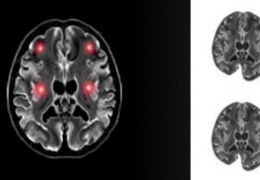
Artificial intelligence (AI) is making significant strides in the field of brain tumor diagnosis and treatment. One recent breakthrough is the development of an AI model called FastGlioma, which can detect cancerous brain tumors that are often missed during surgery. This technology can analyze surgical specimens in just 10 seconds with an accuracy of approximately 92%. It outperforms conventional methods, which have a higher miss rate.
Another notable AI tool is CHIEF (Clinical Histopathology Imaging Evaluation Foundation), developed by Harvard Medical School. This versatile AI model can diagnose cancer, guide treatment, and predict patient survival across 19 different cancer types. It was trained on a massive dataset of over 15 million images and achieved nearly 94% accuracy in cancer detection.
These advancements highlight the potential of AI to revolutionize neurosurgery and improve patient outcomes by providing faster, more accurate diagnoses and treatment plans.
 Author: desertedbeach