
HOT TOPICS IN NEUROSURGERY: NOVEMBER 15, 2025
SOURCE: CHAT GPT
HOT TOPICS IN NEUROURGERY
right now — many align well with your focus on neurosurgery + emerging technologies. I’ve broken them into major themes and included commentary about relevance and opportunity.
1. AI / Data‐Driven Neurosurgery


-
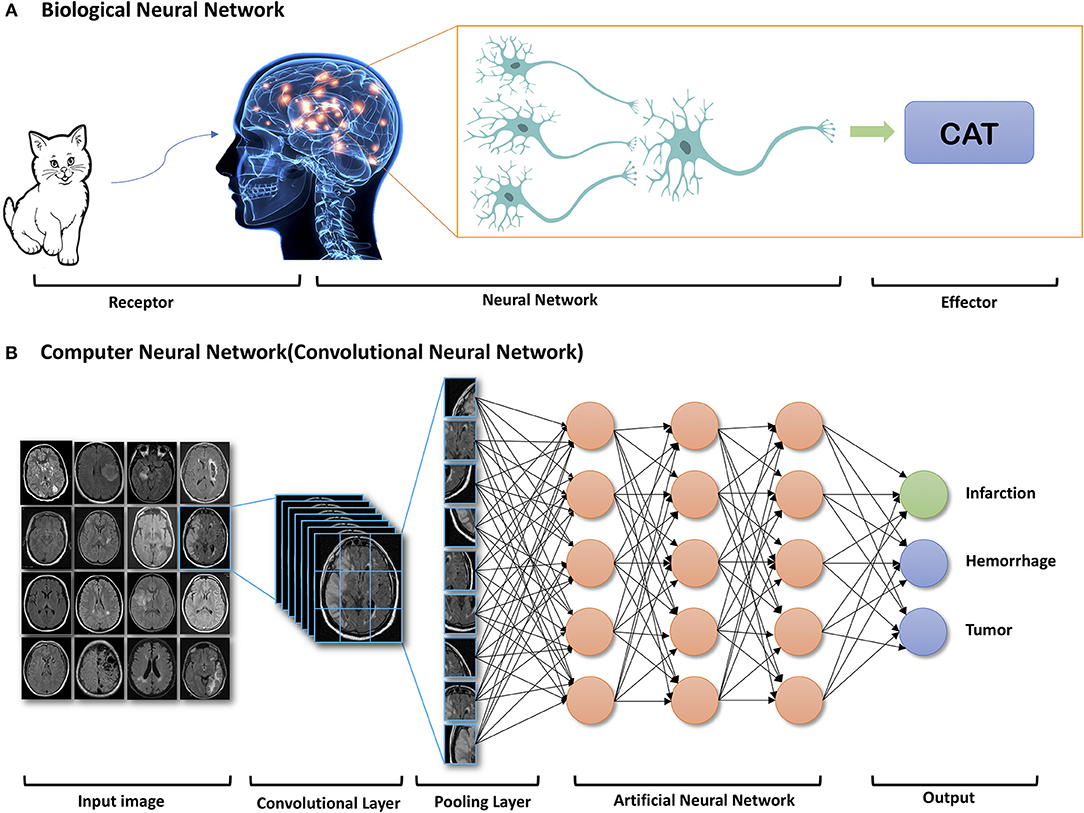
The integration of artificial intelligence (AI) into neurosurgery is accelerating — from predictive analytics in perioperative care, to intraoperative guidance, to post-op outcome modelling. PMC+2Mayo Clinic+2
-
Examples: algorithms aiding tumour segmentation, predicting complications, workflow assistance in the OR, real-time decision support.
-
For you (given your interest in “algorithmic consulting” etc) this is fertile territory: education modules on “AI in neurosurgery”, vendor reviews (e.g., imaging AI, workflow AI), partnerships, sponsorships.
-
Key challenges/considerations: data quality/standardisation, regulatory/ethical framework, surgeon-AI interface, explainability of AI decisions.
2. Robotics, Navigation & Minimally Invasive Techniques

-
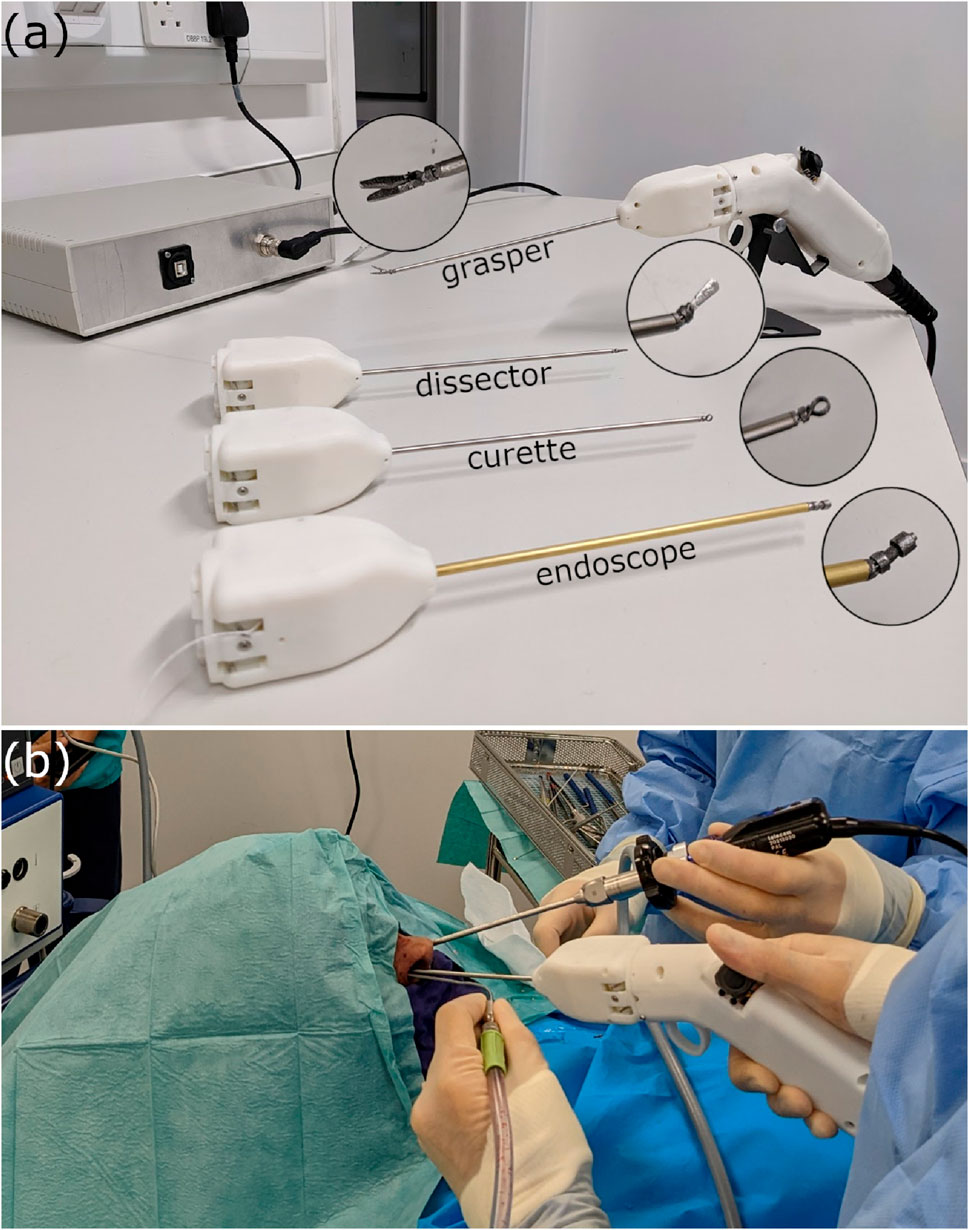
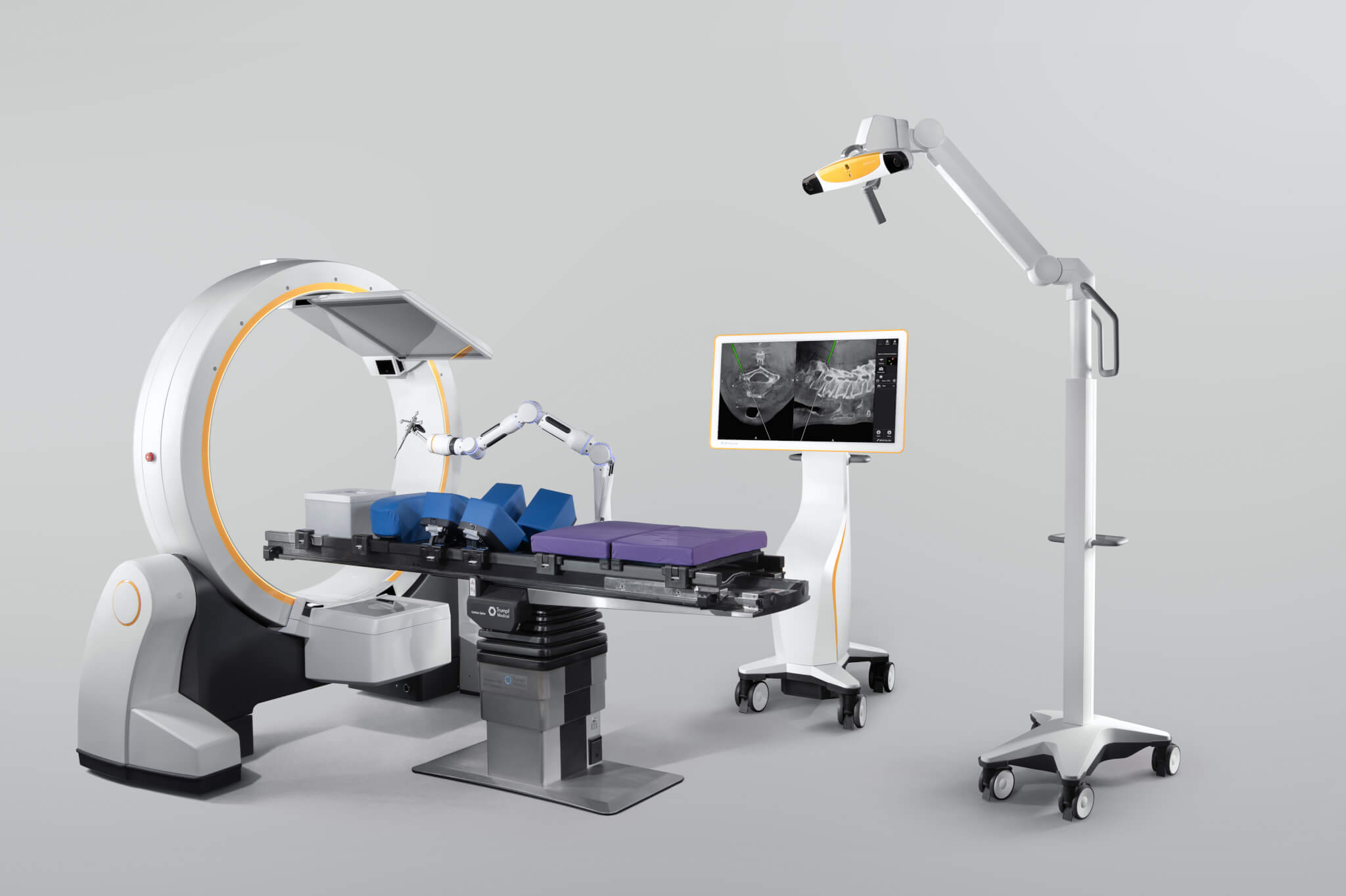
Robotic surgical assistance in neurosurgery continues to evolve (both for spine, skull base, deep brain). For example, reviews suggest “soft robotic” and flexible robotic approaches for minimally invasive neurosurgery are upcoming. arXiv
-
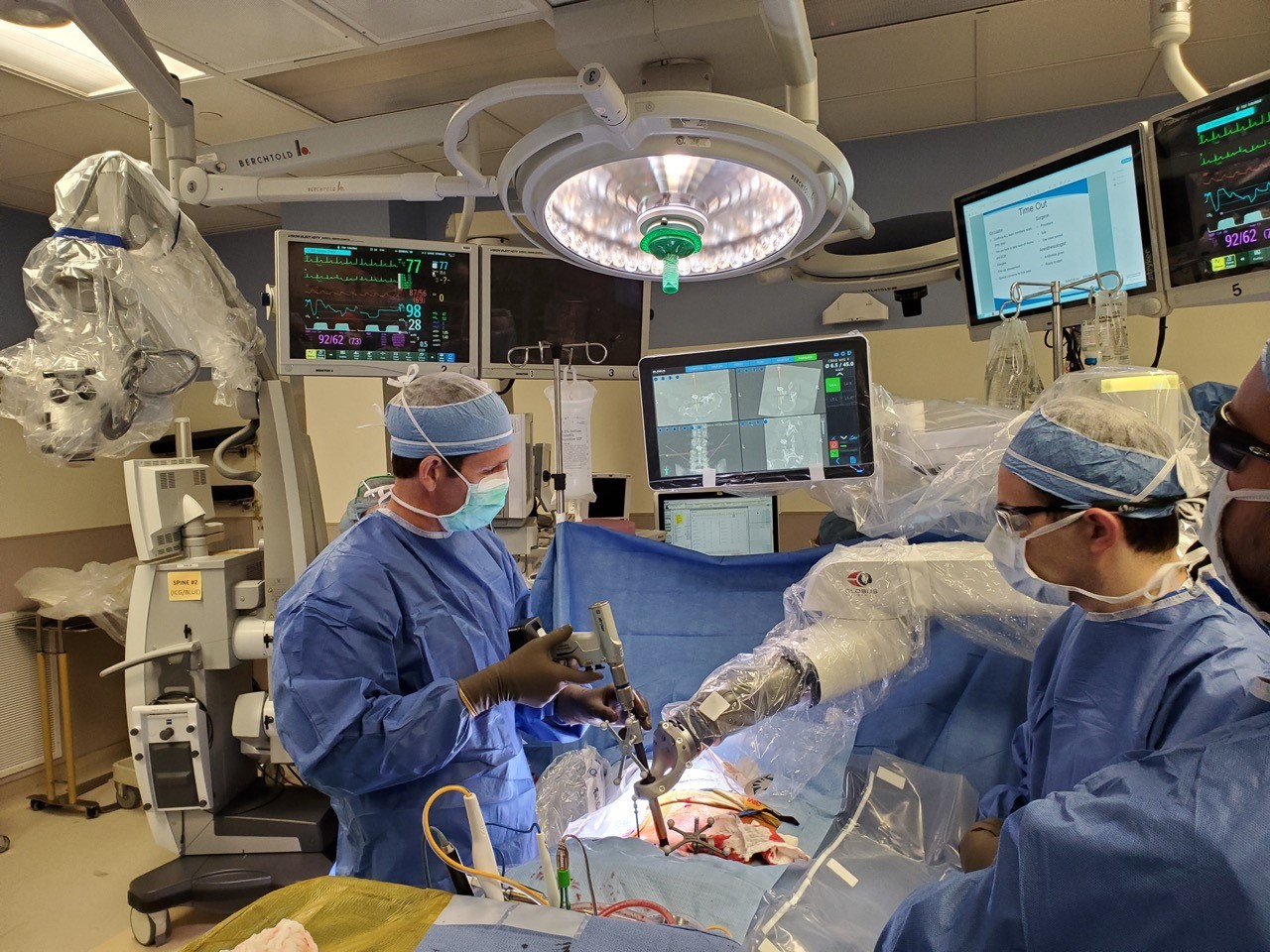
Navigation systems, intraoperative imaging, augmented reality overlays — these are increasingly used to push neurosurgery toward less invasiveness, faster recovery, better precision.
-
Given your interest in advanced imaging (Esaote MRI, I-Genius MRI) and robotics, this is a perfect overlap for educational content: case studies, technology reviews, business/market trends.
-
Consider barriers like cost, learning curves, integration into OR workflow, evidence of outcome improvement.
3. Neuro-Oncology / Tumour Biology + Precision Medicine


-
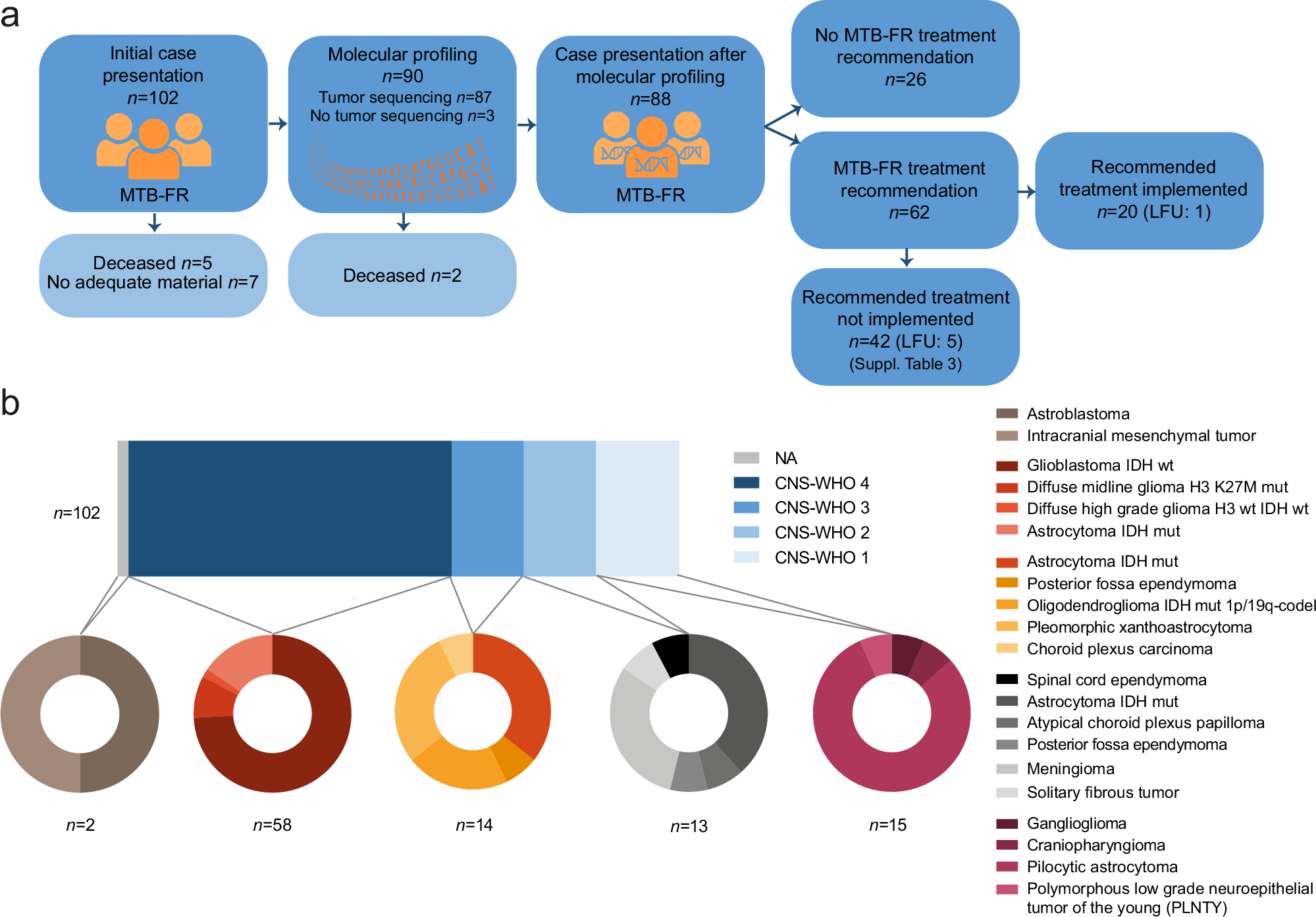
The field of brain tumours is transforming via molecular profiling, targeted therapies, intraoperative adjuncts (e.g., fluorescence guidance), and novel trial platforms. Frontiers+1
-
For instance, neurosurgeons increasingly collaborate with oncologists on genomics, immunotherapy, and multimodal treatment planning.
-
Your background in educational modules can highlight: “What neurosurgeons need to know about molecular oncology”, “Fluorescence-guided resection in gliomas”, “Interdisciplinary tumour boards with AI imaging”.
-
Challenges: blood–brain‐barrier, surgical margins, intraoperative decision making in real time, cost of new therapies.
4. Neurovascular & Endovascular Hybrid Procedures


-
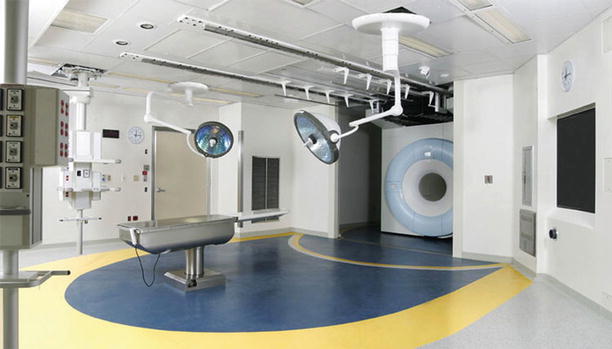
Although this may be more interventional neurology/neuroradiology oriented, neurosurgeons are deeply involved in hybrid ORs (open + endovascular), complex aneurysm/AVM management, and novel device development.
-
Reflecting the Research Topics listing: e.g., “Endovascular Neurosurgery at the Frontier: Emerging Techniques, Expanding Indications, and Applied Technologies”. Frontiers
-
Opportunity: modules on “Skull‐base vascular lesions: open + endovascular collaboration”, “Neurosurgical role in hybrid OR”, “Emerging devices in intracranial aneurysm management”.
5. Spines & Degenerative Disorders — Tech Focus

-
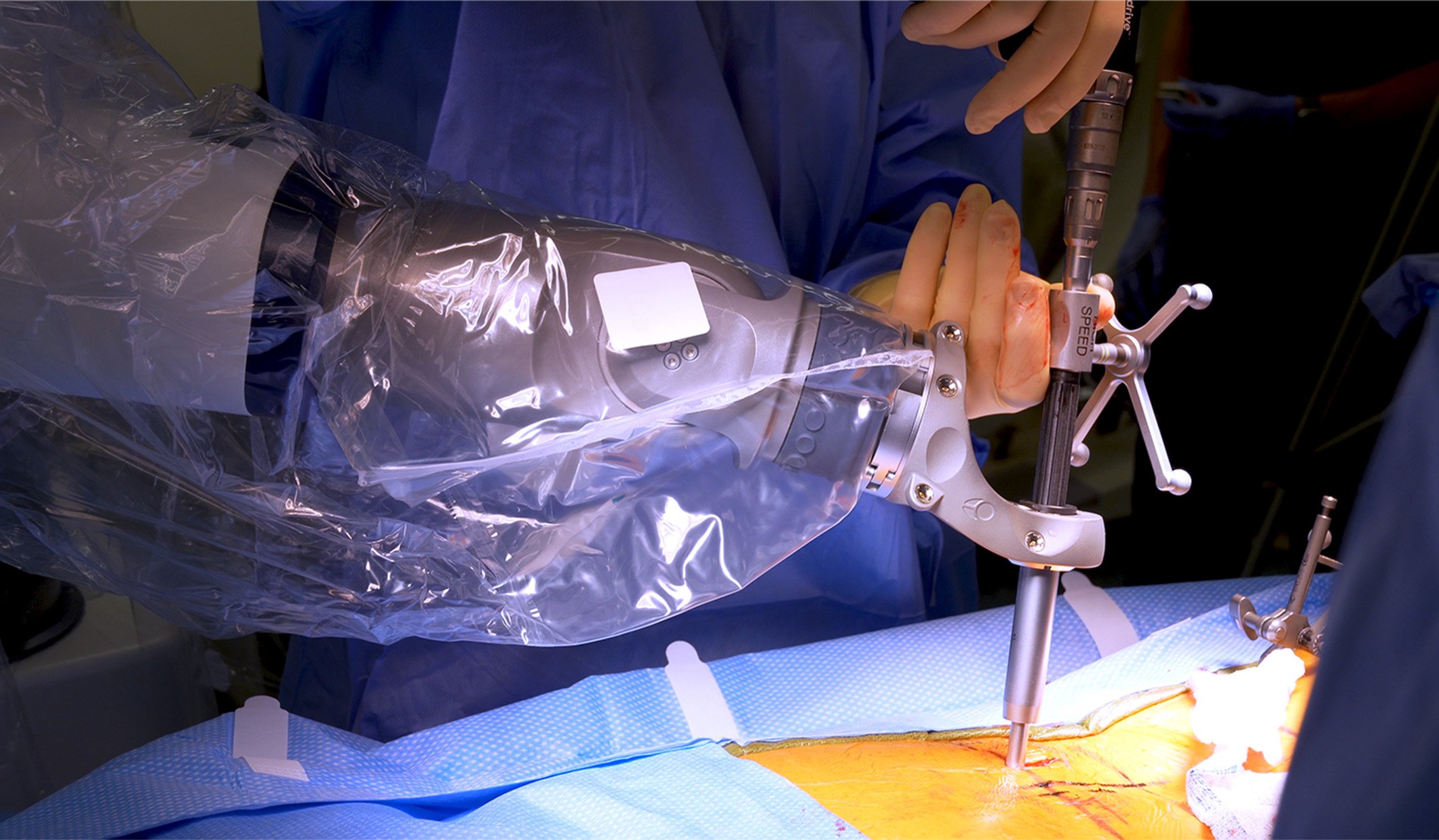
Spine surgery continues to be a high‐volume area, and the tech arms race is real: navigation, robotics, endoscopy, “doing more with less”. The Research Topics listing emphasised “Endoscopy, Navigation, Robotics … in the Management of Spinal Disorders”. Frontiers
-
For your content ecosystem: webinars on “Next-gen spine neurosurgery tech for Latin America”, partnerships/sponsorship (spine robotics vendors), bilingual modules (English/Spanish).
-
Consider the bridging: high‐tech spine vs resource‐limited settings (Latin America) — you could highlight “cost-effective tech for middle-income neurosurgical centres”.
6. Neurosurgical Education, Training & Simulation


-
As neurosurgery technologies proliferate, the need for structured, modernised training is critical. Topics like simulation (VR/AR), remote mentoring, modular education models are hot. The Frontiers list includes “Innovations and Challenges in Surgical Education”. Frontiers
-
For your Modular Channel project (15 modules in Spanish) this is directly relevant: you could produce a module specifically on “Training neurosurgeons in the AI/robotics era” or “How to implement simulation in Latin American neurosurgery centres”.
-
Also, educational sponsorship models (vendors supplying simulation tools) and bilingual outreach fit your entrepreneurial/educational orientation.
7. Neural Engineering, Brain–Computer Interfaces (BCI) & Neuromodulation
-
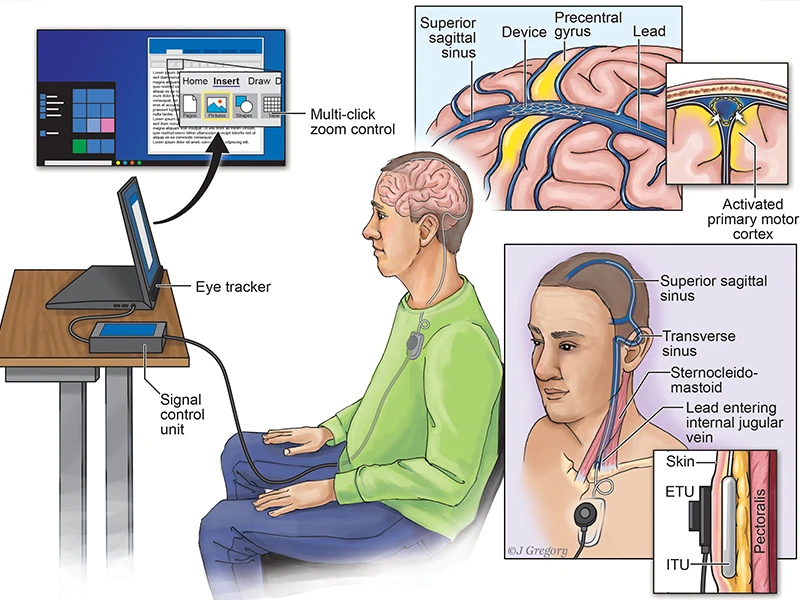
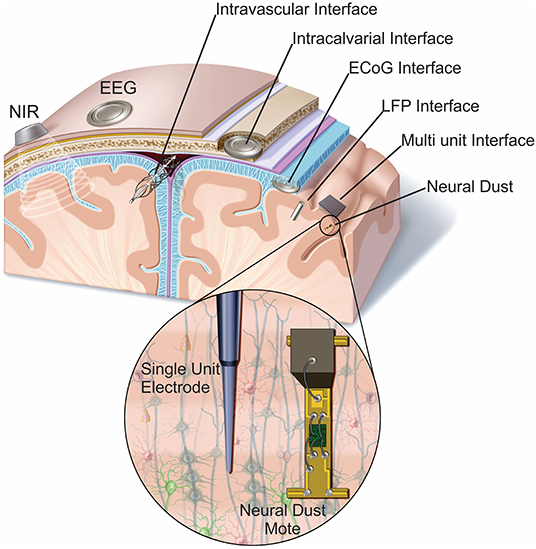
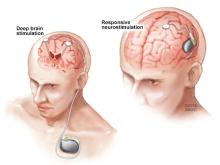
Neural engineering is rapidly advancing: implantable devices, responsive neurostimulation (RNS), closed‐loop neuromodulation, non-invasive neuromodulation (e.g., focused ultrasound) are emerging. Some of this overlaps neurology/neuroscience but the surgical interface is strong. PMC+1
-
For example, for epilepsy surgery, deep brain or cortical stimulation is being extended; for functional neurosurgery the device business model is growing.
-
You could create content like: “The role of the neurosurgeon in BCI era”, “Marketplace for neuromodulation devices: what neurosurgeons should know”, “Translating BCI research into neurosurgical practice”.
8. Outcome & Value-Based Neurosurgery


-
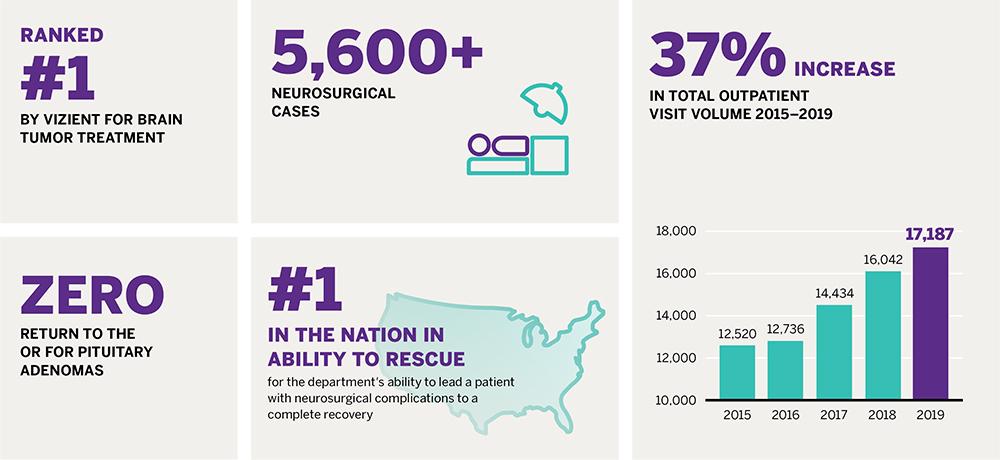
As healthcare systems move toward value and cost effectiveness, neurosurgery is no exception. There is increased emphasis on outcomes research, cost‐utility of novel technologies, and adapting high tech into resource‐constrained settings. Mayo Clinic
-
In Latin America / emerging markets context: bridging high-tech innovations with accessibility and cost containment is a huge opportunity (and aligns with your educational mission).
-
Modules: “How to assess cost vs benefit of neurosurgical innovation”, “Implementing neurosurgical advanced tech in Latin America: pitfalls & solutions”.
 Author: desertedbeach


